Skip navigation · go straight to content
LAGRANGE

Lagrange Sport Science Research Solution

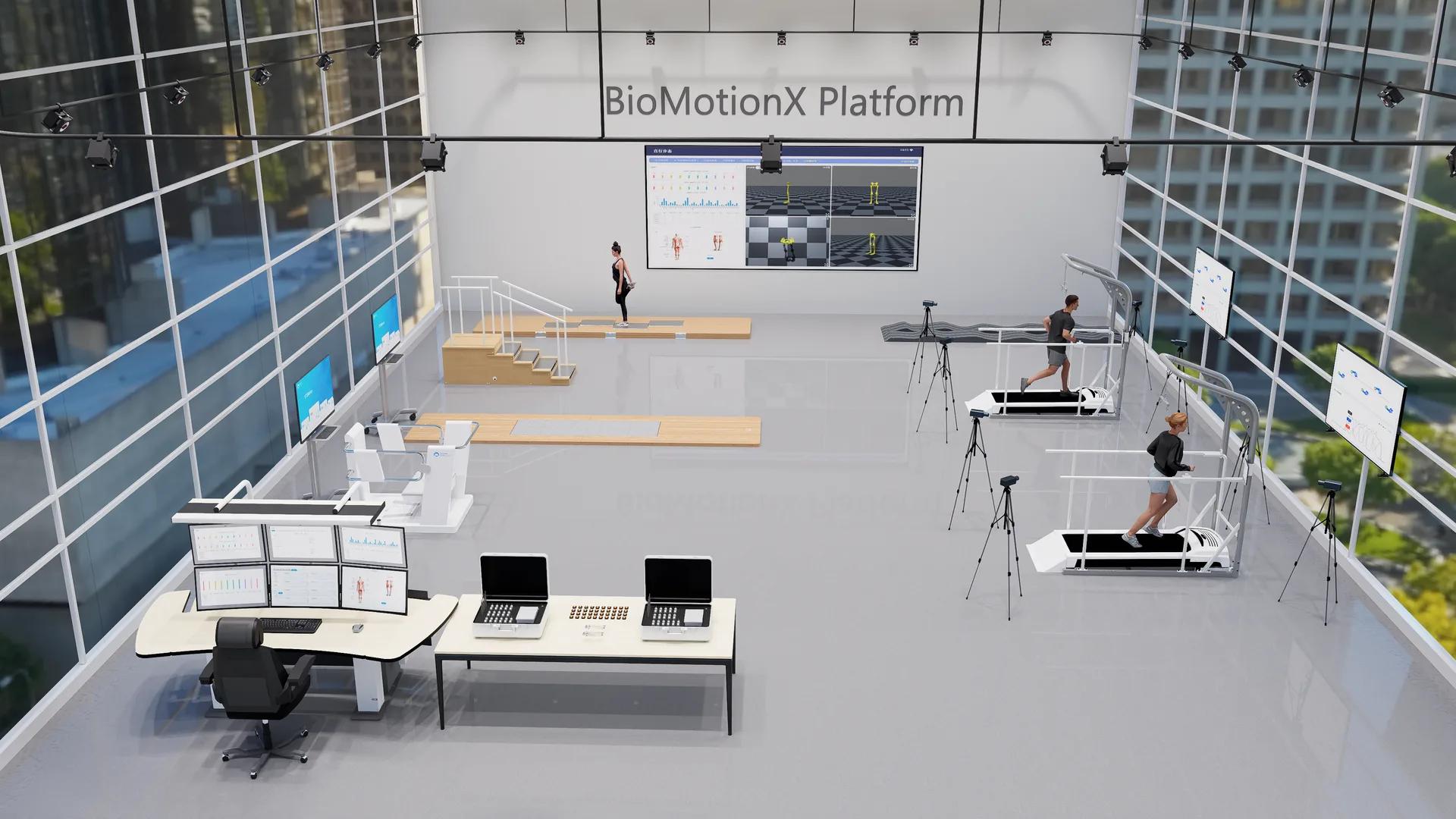
Incomplete, unsynchronized, hard-to-reproduce motion data is the biggest drag on motion-science output — synchronized multimodal acquisition captures the core signals in one pass.

Helps hospital departments and research teams build a complete solution centered on movement-state assessment, motion-data capture, and sport-science research output.

Procurement can land on the Lagrange Motion Analysis Workstation; the sales narrative leads with the solution rather than a single-spec comparison.

Among many research directions, why prioritize sport science

The customer’s real starting point is often "I want to do research, but there are many directions" — brain-computer interfaces, surgical fields, cycle ergometry, geriatrics, orthopedics, and neurology are all options. Among them, sport science deserves priority:

  1. No assessment, no rehabilitation

    Rehabilitation is built on assessment; assessment is the starting point and basis of the rehabilitation pathway.

  2. Movement assessment is a core part of rehabilitation assessment

    Movement-state assessment is an important component of the rehabilitation-assessment system, with broad applicability.

  3. Motion data more readily becomes a data asset

    Motion data can be captured, accumulated, and analyzed, making it easier to consolidate into a long-term data asset.

  4. Easier to combine with AI and big-data research

    Motion data is well-structured, making it a smoother fit for AI research and big-data research.

  5. Results are easier to showcase and translate

    Compared with some directions, sport science more readily yields results that are presentable, cumulative, and translatable.

Once the direction is set, why choose Lagrange

Once you recognize the sport-science direction, you can evaluate the solution and equipment across the following dimensions:

Evaluation dimensionDescription
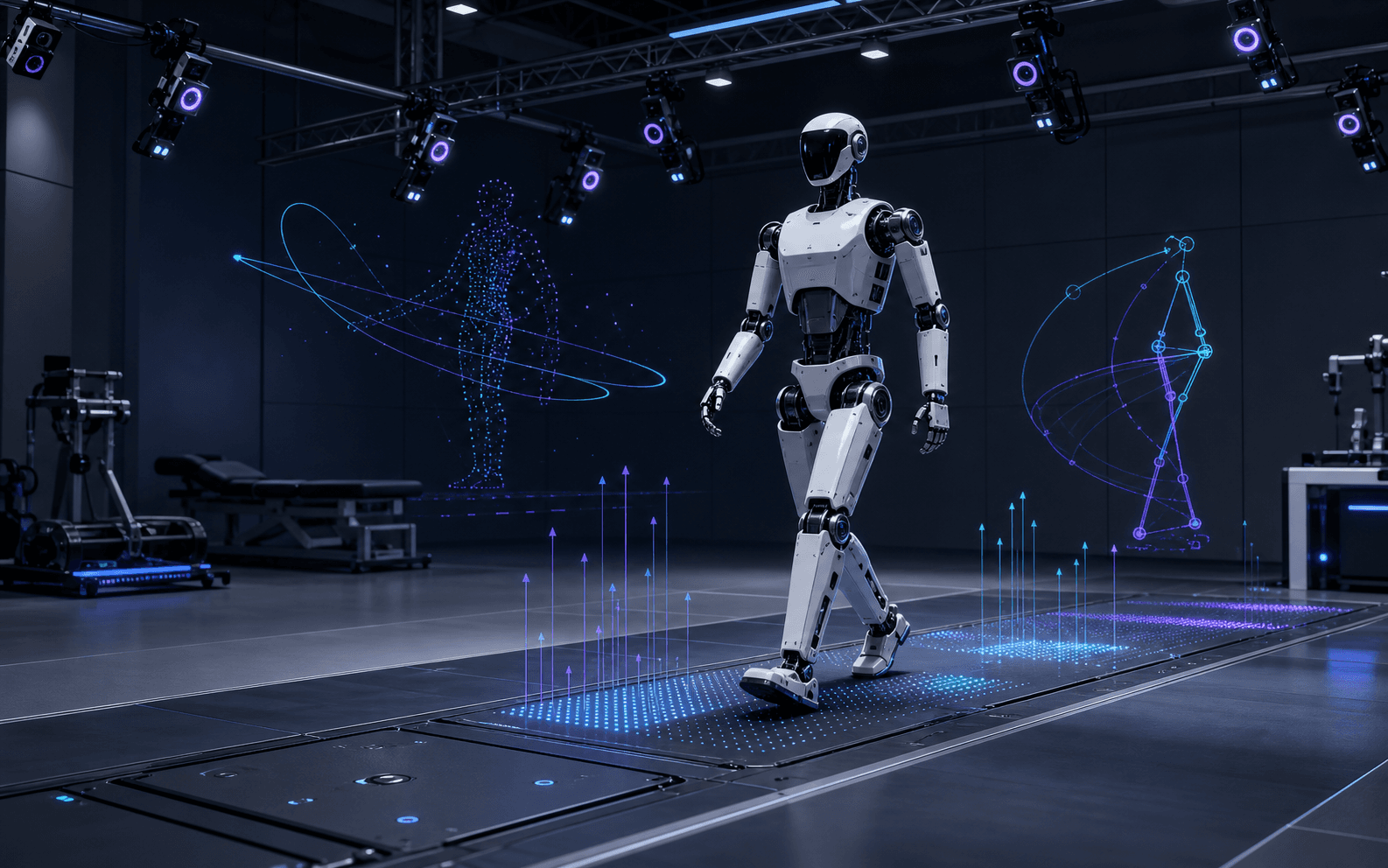
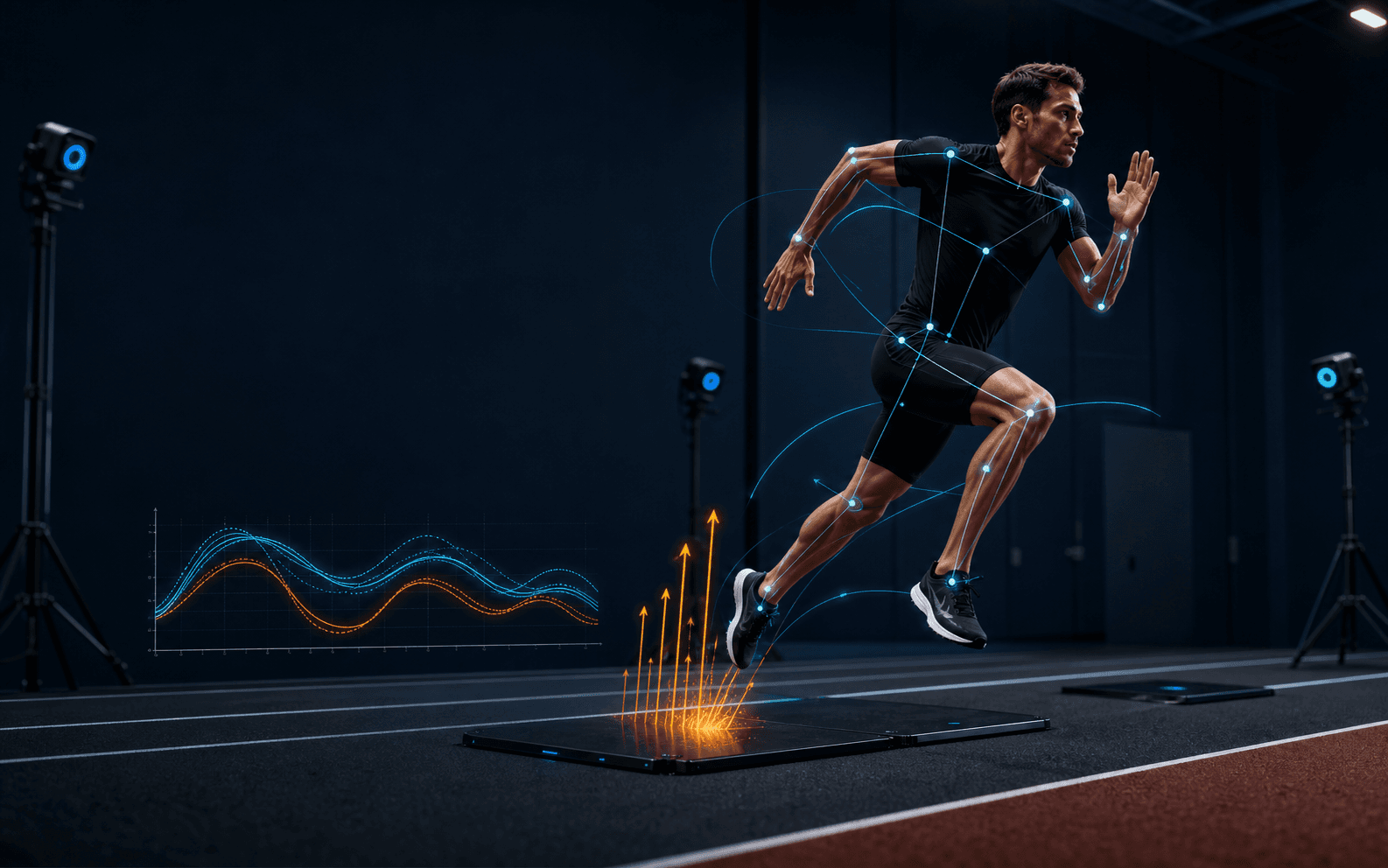
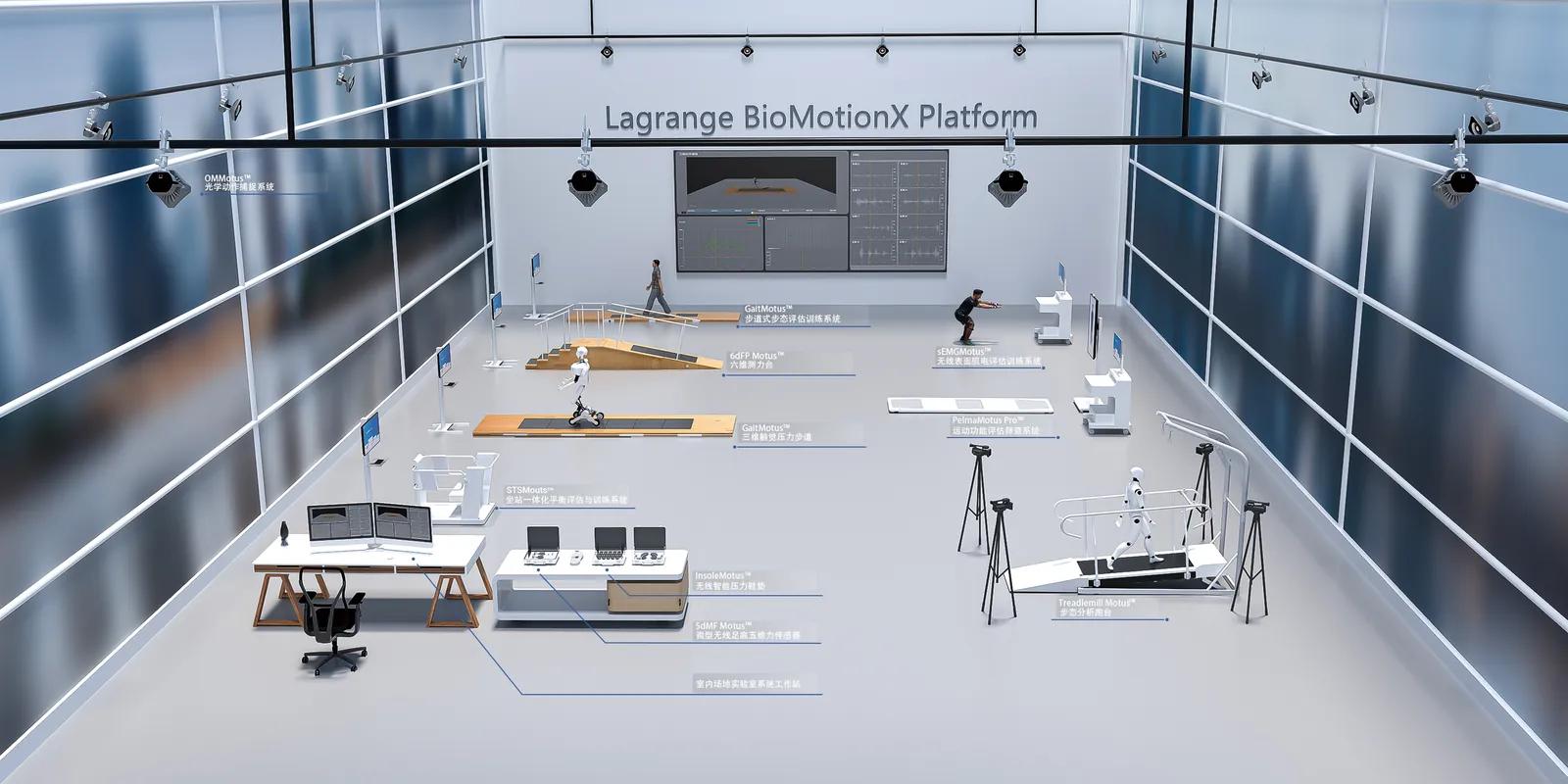
Equipment capabilityMultimodal synchronized capture (3D motion capture / force measurement / plantar pressure / surface EMG), covering the core signals of movement-state assessment.
Data capabilityStandardized metric output plus a multimodal motion database, supporting accumulation and lateral comparison.
Research-support capabilityOpen data interfaces and de-identification mechanisms that support study design, secondary development, and paper output.
Solution completenessA complete workflow from capture and analysis to reporting and remote collaboration — not a single device.
Cases and outcomesDeployment experience with universities and medical-rehabilitation institutions (specific cases being updated).
Differentiation from competitorsA solution narrative plus full-stack embodied-perception capability, emphasizing readable, cumulative, and translatable value.
Feasibility and approval supportWe can provide equipment-selection documentation and feasibility-assessment points to support internal departmental approval materials.

Clinical value

For departments and clinical teams: standardized assessment, readable reports, comparable follow-up.

Expand clinical-value details
DimensionClinical value
Motor-function assessmentProvides a standardized movement-state assessment workflow and metrics, supporting consistent departmental reporting.
Rehabilitation-pathway supportProvides objective motion-data references for designing and adjusting rehabilitation plans.
Follow-up and comparisonSupports multiple assessment comparisons of the same subject, making it easier to observe trends over time.
Multidisciplinary collaborationRemote review and collaborative annotation, supporting cross-department and cross-institution communication.
Records and documentationStructured metrics can be used in medical records and cited in academic communication.
Billing and departmental developmentProject pathways can be evaluated together with local pricing and insurance policies (specific billing codes and reimbursement follow local policy).

The above describes the capabilities and value of the solution and does not constitute a diagnostic or treatment recommendation; the product is registered and used in accordance with applicable medical-device regulations, and clinical application should follow professional medical judgment.

Research value

For research leads / PIs: data assets, interpretable metrics, open interfaces.

Expand research-value details
DimensionResearch value
Multimodal data captureSynchronously captures multi-channel motion signals to build structured raw data.
Standardized metricsOutputs interpretable kinematic / kinetic metrics, supporting statistics and modeling.
Database and de-identificationSupports on-premises database deployment and data de-identification to meet research-compliance needs.
Open interfacesProvides standard data formats and an API for integrating in-house algorithms and secondary development.
Study and paper supportData is cumulative and comparable, supporting study design and paper output.

For detailed specifications and interface specs, see the Lagrange Motion Analysis Workstation product page (some specs being updated).

Customer FAQ

Answers to the questions most often asked, from each stakeholder’s point of view.

Hospital DirectorWhy is this project worth the investment?

A motion-science solution supports departmental capability building, the long-term accumulation of motion-data assets, and research output, advancing the discipline as a complete solution rather than a single device. It is designed along the Class II medical device regulatory pathway, and we can provide feasibility-assessment talking points to support the case.

Department HeadWhat value does it bring to my department?

It provides a standardized motion-assessment workflow with readable metrics, supports rehabilitation-pathway planning and follow-up comparison, and facilitates cross-department collaboration. Project rollout can be evaluated together with local pricing and reimbursement policy (specific billing codes and reimbursement follow local policy).

PhysicianHow is it used in clinical practice?

The typical workflow is “capture → assess → report → follow-up”: a single wearing session synchronously captures multi-channel motion data and outputs structured metrics against a comparison baseline, supporting medical-record documentation and remote viewing by the team. The content on this site does not constitute a diagnostic or treatment recommendation.

Research Lead / PIWhat research output can it produce?

It provides multimodal raw data, interpretable kinematic / kinetic metrics, an on-premise database with de-identification mechanisms, and standard data formats with an API—facilitating study design, secondary development, and publication output.

ProcurementWhy choose you?

Evaluate us across device capability, data capability, research support, solution completeness, and case studies and results. We can provide device-selection notes and feasibility-assessment talking points to support internal approval materials. At the company level, our credentials include a national key R&D program and Class II medical device registration.

DistributorHow do I sell it, and is it easy to forward?

The website uses an AI-readable structure: once you forward a link to a customer, people, search engines, and AI assistants can all understand the brand and the products. “Remote viewing” serves as a low-barrier conversion hook, paired with the solution narrative and the product matrix to make channel communication easy.

Research interest

For research and university teams — leave your focus and contact, and we will match the right solution.

We use the information above only to reply to you, and for no other purpose. See the Privacy Policy for details.

From research direction to deployed equipment

Customer journey: from "I want to do research" to the sport-science research solution, then to deploying the Lagrange Motion Analysis Workstation.

  1. 01

    Choose the sport-science direction

    Confirm the priority of sport science among many research directions.

  2. 02

    Adopt the sport-science research solution

    Plan assessment, capture, analysis, and research output from a solution perspective.

  3. 03

    Deploy the Lagrange Motion Analysis Workstation

    Procurement lands on the specific device, entering selection and feasibility assessment.